Manor, TX
Home Loans in Manor, Weighed for the Long Haul
We help buyers and borrowers in Manor, Pflugerville and Elgin pick a home loan that still makes sense years after closing. That means conventional, FHA, VA and USDA loans for buying, plus HELOCs, bank statement, bridge and hard money loans for equity, self-employed income and investment property.
- Rate quotes by phone
- Office, phone or video
- Side-by-side loan comparisons
- Closing costs spelled out


About Home Loans Manor
We are a small mortgage shop that works with buyers, veterans, self-employed borrowers, investors and people refinancing or pulling equity. Our job is to find the loan that fits your plans and then get it closed without drama.
We came at this business with one habit: compare the cost up front against the cost over the years you hold the loan. A loan with low closing costs and a higher rate can be the right call if you plan to sell in three years. It can be the wrong one if you plan to stay for twenty. We walk through that math with you before you choose.
You will deal with a loan officer who knows your file, from the first call through signing day. Questions get answered, and nothing gets buried in fine print.
- License
- NMLS licensed for 10 years
- In business
- 11 years in the mortgage industry
Loans We Write
Most buyers end up with a conventional, FHA, VA or USDA loan, and each one fits a different kind of borrower. If you already own property, a HELOC lets you borrow against your equity without touching the first mortgage. Self-employed borrowers can qualify with a bank statement loan, and investors use hard money and bridge loans when speed matters more than the rate. Pick a loan below to see who it suits and what it costs to carry.
Conventional Loans
Conventional home loans for buyers with steady income and fair credit, priced so you can see the full cost over the years.

FHA Loans
A government-backed home loan with a smaller down payment and softer credit rules, with mortgage insurance costs explained before you commit.
VA Loans
VA purchase and refinance loans for eligible veterans, service members and surviving spouses, with the funding fee and long-run cost laid out plainly.
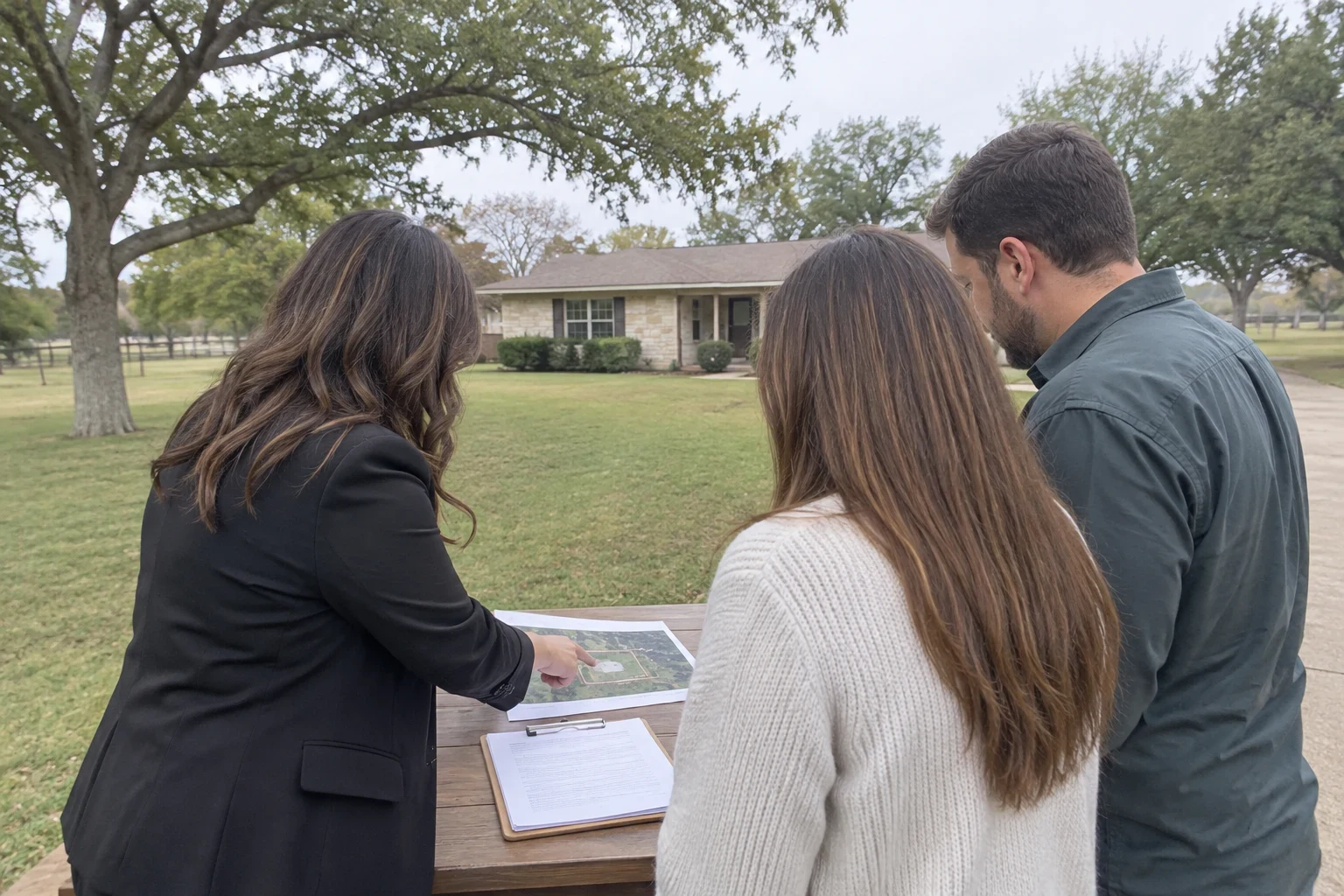
USDA Loans
A zero-down home loan for eligible areas and moderate incomes, with the guarantee fees laid out so you know what it costs over the years.

HELOC
Borrow against your equity as you need it, with the payment jump after the draw period mapped out before you sign.

Hard Money Loans
Short-term financing for investors buying and rehabbing property, priced against how long you will actually hold it.
Bank Statement Loans
A home loan for self-employed borrowers that qualifies you on 12 or 24 months of deposits instead of the income shown on your tax returns.

Bridge Loans
Short-term financing that lets you tap equity in the property you own now so you can buy the next one without waiting on a sale.
What Moves Your Rate and Closing Costs
No two borrowers get the same quote, even on the same day. A handful of things set your rate and what you bring to closing. Knowing them helps you see which ones you can change and which ones you can't.
After a phone conversation about your income, credit and plans, we give you rate quotes and a written Loan Estimate that lists each cost by line. Rates move daily, so every quote is tied to the date it was given.
- Credit score
- Higher scores get better pricing, and the steps between tiers can be small. A few points on your score can change your rate for the life of the loan.
- Down payment and equity
- More money down usually means a lower rate and less or no mortgage insurance. On a conventional loan, reaching 20 percent down drops private mortgage insurance from the start.
- Loan type
- FHA, VA, USDA and conventional loans each carry their own fees and insurance rules. FHA mortgage insurance can stay for the life of the loan, while conventional mortgage insurance can come off once you build enough equity. That difference matters more the longer you keep the loan.
- Points versus rate
- You can pay points at closing to buy a lower rate. It pays off only if you keep the loan past the break-even point, so we work out that month for you.
- Loan term
- A 15-year loan has a higher payment and a lower rate. A 30-year loan costs less each month and more over time.
- Property and use
- A primary residence prices better than a second home or rental. Condos, multi-unit buildings and properties that need major work can also change the rate or the loan options.
Why Borrowers Start With Us
A low payment in year one can turn into an expensive loan by year seven. We look at both before you sign.
Time spent in the business
We bring 11 years in the mortgage industry to every file. That time shows up in small ways, like knowing which documents an underwriter will want before they ask for them.
A record you can look up
We have been NMLS licensed for 10 years. Any borrower can search a loan originator's NMLS record before handing over a pay stub, and we think every borrower should.
Total cost, side by side
We lay two or three loan options next to each other and show what each costs at five years, ten years and the full term. That includes mortgage insurance, points and closing costs, not just the rate. You see where one option wins early and where another wins later.
A straight answer on fit
If an FHA loan costs you more over time than a conventional loan would, we tell you. If waiting six months to raise your credit score saves real money, we say that too, even when it means no closing this month.
Meet how it suits you
Sit down at our office, or handle the whole thing by phone and video. Plenty of borrowers never come in until signing day.
Where We Work
We are based in Manor, TX, and write home loans for buyers and borrowers across the area. That includes Pflugerville, Wells Branch, Elgin, Hornsby Bend, Round Rock, Hutto, Brushy Creek, Taylor, Wyldwood and West Lake Hills. Much of the work happens by phone and video, so distance is rarely a problem.
- Manor
- Pflugerville
- Wells Branch
- Elgin
- Hornsby Bend
- Round Rock
- Hutto
- Brushy Creek
- Taylor
- Wyldwood
- West Lake Hills
If the property is in Texas and you are not sure we can help, ask when you call. We will tell you straight.
Questions Borrowers Ask Us
- How much do I need for a down payment?
- It depends on the loan. VA and USDA loans can have no down payment for borrowers who qualify, FHA allows as little as 3.5 percent, and some conventional loans start at 3 percent. Less down usually means mortgage insurance and a higher total cost over time, so we show you both sides.
- What is the difference between pre-qualification and pre-approval?
- Pre-qualification is an estimate based on what you tell us. Pre-approval comes after we check your credit and verify income and assets with documents. Sellers and their agents give a pre-approval letter much more weight when they compare offers.
- What credit score do I need to qualify?
- Each loan type has its own floor, and FHA loans tend to accept lower scores than conventional loans. Your score also sets your rate, not just whether you qualify. If you are close to a better pricing tier, we may suggest a few steps to get there before you apply.
- Should I pay points to lower my rate?
- Only if you plan to keep the loan long enough to make the money back. We figure out the break-even month for you. If you think you might sell or refinance before then, skipping points usually costs less.
- I am self-employed. Can I still get a home loan?
- Yes. Many self-employed borrowers qualify for a conventional loan using two years of tax returns. If your write-offs make your taxable income look low, a bank statement loan uses your deposits instead. The rate is usually higher, so we compare both before you decide.
- Can I get a USDA loan near Manor?
- Some properties around the area fall inside USDA-eligible zones, and some do not. Eligibility depends on the property address and the total income of the people who will live there. Give us the address and we will check it.
- Does calling commit me to anything?
- No. A phone call gets you answers, pre-qualification or rate quotes, and you decide what happens next. We only pull credit when you give us the go-ahead.
How a Loan Gets From First Call to Closing
Most loans follow the same path. Here is what happens at each step and what we need from you.
- 1
A first phone call
We talk about what you want to buy or refinance, your income, your savings and roughly how long you plan to keep the property. That last part shapes which loan makes sense.
- 2
Pre-qualification and rate quotes
Based on what you tell us, we show how much you may qualify for and what a few loan options would cost. You can stop here and think it over.
- 3
Application and documents
When you are ready, we take your loan application and collect pay stubs, tax returns, bank statements or whatever your loan type calls for. A full pre-approval letter comes out of this step, and sellers take it more seriously than a pre-qualification.
- 4
Appraisal and underwriting
Once you have a contract, we order the appraisal and send your file to underwriting. If the underwriter has questions, we bring them to you in plain words and help you answer them.
- 5
Closing
You get your Closing Disclosure at least three business days before signing, and we go over it with you against your original estimate. Then you sign, and the loan funds.

Find Out Which Loan Holds Up Best
Tell us what you want to buy or refinance and how long you plan to keep it. We will price a few options and show you what each one costs over time.